
By Vincent Wigmans
At our firm, we facilitate a high volume of Cirrus sales annually. While the Cirrus SR22 is an incredible machine, we see a consistent trend: owners are outgrowing the piston envelope. They are “stepping up” to the world of pressurized turboprops like the Piper Meridian, M600, and the Daher TBM.
However, moving from a piston to a turbine is not just a change in engine, it is a massive leap in operational complexity and financial risk. For an owner without turbine experience, attempting to navigate this market solo is the fastest way to acquire a “money pit.”
The Evolution: Choosing Your Next Mission
When moving up from a Cirrus, owners typically choose one of four distinct paths based on their mission profile:
1. The Piper Jetprop DLX
A favorite for the owner-pilot prioritizing efficiency. By retrofitting a PA-46 airframe with a Pratt & Whitney PT6 engine, the Jetprop offers an incredible power-to-weight ratio. It’s the “hot rod” of the entry-level turboprop world.

2. The Piper Meridian
The aircraft that defined the entry-level turboprop market. For a Cirrus owner, the Meridian is a natural transition, offering a pressurized cabin and straightforward systems without an overwhelming learning curve.
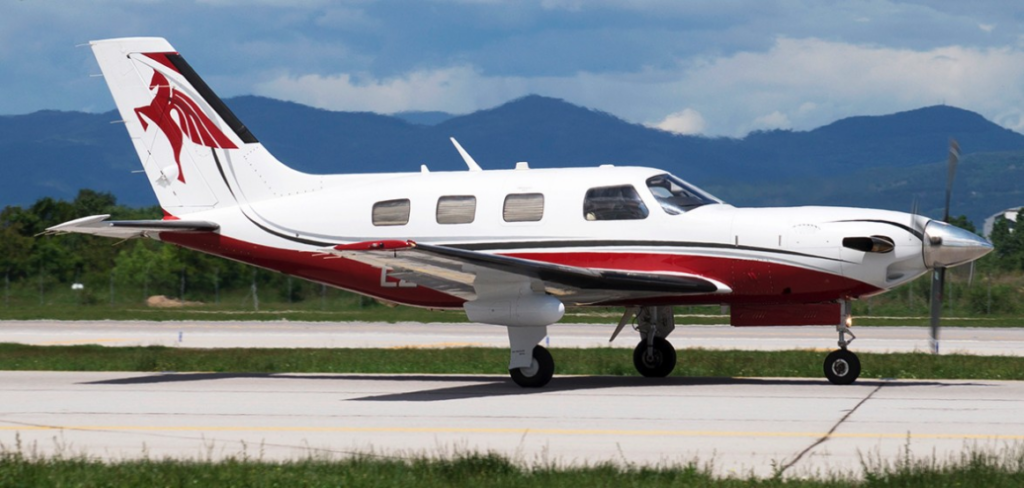
3. The Piper M600/M700 Fury
The heavy hitters of the Piper M-Class. Featuring a clean-sheet wing and advanced avionics, these aircraft offer significantly more payload than the Meridian and include life-saving tech like Garmin Autoland.
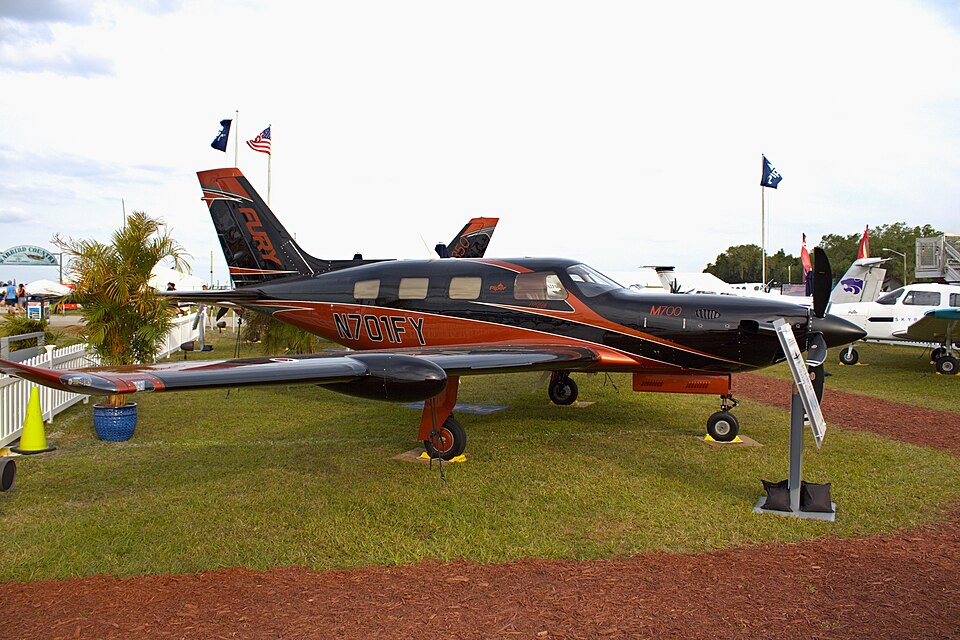
Photo: ZLEA / Wikimedia Commons (CC BY-SA 4.0)
4. The TBM Series
The ultimate destination for maximum performance. If your mission requires 300+ knot cruise speeds and a larger cabin while staying within the single-engine turbine category, the TBM is the gold standard.

The Danger Zone: Why You Must NOT Buy a Turboprop Unassisted
In the Cirrus world, a “bad” pre-buy might cost you money but in the Turboprop world, a missed logbook entry or a neglected engine trend can cost you 300k overnight. The “Paperwork” Trap Turbine aircraft are governed by strict maintenance cycles. If a life-limited component was replaced without the proper “birth certificate”, that part is effectively worthless. An inexperienced buyer won’t know what’s missing until they try to resell the plane.
The Hot Section & TBO Financial Cliff
While a PT6 engine is legendary for reliability, its maintenance is high-stakes:
- Hot Section Inspection (HSI): A mid-life “check-up” that can reveal hidden damage costing six figures.
- Overhaul (TBO): Unlike piston engines, a turbine overhaul is a massive capital event. Buying a “cheap” turboprop with 200 hours remaining until TBO is often a recipe for financial disaster.
Insurance: The Hidden Gatekeeper
You don’t decide if you’re ready to fly a turboprop; the insurance underwriters do. Without a broker who understands how to negotiate “mentor hours” and “initial type ratings,” you may buy an airplane you are legally (or financially) unable to fly solo.
Beyond the Piston: What Actually Changes?
A major driver for this transition is the ability to cover significant distances with less fatigue.
- Environmental Comfort: Flying pressurized at FL250 (25,000 ft) means you arrive refreshed, flying above 90% of the weather that would toss a Cirrus around.
- Turbine Reliability: The mechanical simplicity of a turbine engine provides a level of peace of mind that reciprocating engines simply cannot match.
- Mission Flexibility: Increased speed and all-weather capability mean your “usable” flying days per year increase significantly.
Expert Guidance: Don’t Guess, Negotiate.
The turboprop market moves at lightning speed. High-quality M600s and TBMs often sell before they ever hit the aircraft sales platforms.
We purchase a high volume of turboprops annually. Our deep market intelligence allows us to identify the “hidden gems” and, more importantly, walk away from the polished lemons. We don’t just find you an airplane; we ensure it is a sound financial asset.
Are you ready to trade up?
Don’t navigate the complex world of turbine acquisitions alone.
Contact our acquisition team today at sales@faaircraftsales.com to ensure your step up is a move toward freedom, not a move toward a financial nightmare.