
By Vincent Wigmans
Cirrus Vision Jet G2+ owners are increasingly selling their aircraft to capitalize on strong residual values before depreciation accelerates. At the same time, factors such as payload limitations, single-pilot workload, and the arrival of the G3 are prompting many owners to reassess their long-term ownership plans.
A look across the pre-owned jet marketplaces reveals a fascinating anomaly: out of approximately 55 Cirrus Vision Jets currently listed for sale, the overwhelming majority are not older models. They are late-model SF50 G2+ variants.
For an aircraft category that is only a few years old, this highly concentrated influx of inventory demands an analytical look past the traditional marketing narratives. Why are owner-pilots placing their multi-million-dollar G2+ jets back onto the market so relatively early in the asset lifecycle?
While the recent rollout of the G3 generation plays a role, a deeper dive into the data suggests that structural, operational, and financial realities are driving a wave of early exits.
1. Timing the Residual Value Bubble
Cirrus has famously maintained a massive backlog for its new aircraft, which has kept pre-owned G2+ residual values artificially high. However, smart asset managers know this pricing bubble will not last forever. By listing their aircraft now, current owners are effectively dodging the steeper depreciation curve that typically hits jet airframes as they cross the 5-year mark or exhaust their initial factory JetStream maintenance coverage. It is a calculated capital preservation play.
2. The Reality of the Single-Engine Payload Envelope
The Vision Jet is highly capable, but it is bound by the laws of physics. It features a unique, single-engine configuration that creates a tight weight-and-balance envelope. While marketed as a family aircraft, filling the tanks for maximum range significantly limits remaining cabin payload. Many operators buy the G2+ intending to take long-distance family trips, only to realize that real-world payload restrictions require compromises on baggage, passenger weight, or fuel stops. For those needing true mid-size cabin capability, a swift step up to a twin-engine platform like an Embraer Phenom or Cessna Citation becomes the logical next step.
3. Single-Pilot Cognitive Overload
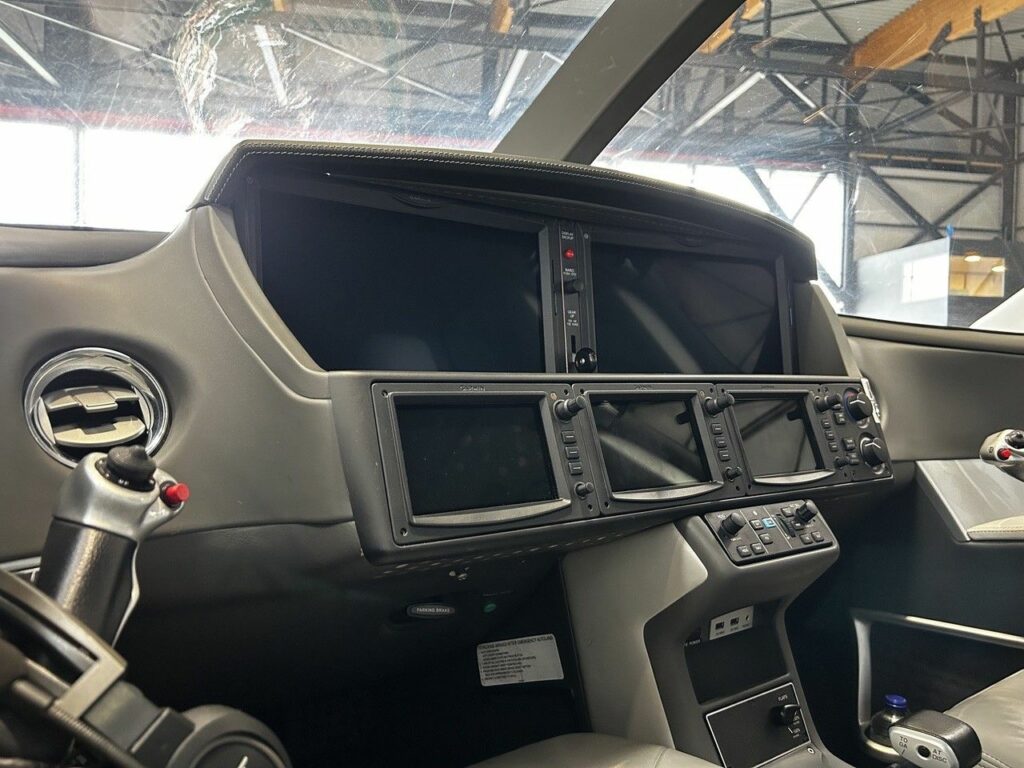
The SF50 is explicitly designed for the solo owner-pilot. While single-pilot operation is a major selling point, the reality of managing complex jet checklists, navigating high-altitude weather, and handling dense ATC communications alone at 28,000 to 31,000 feet can introduce significant operational fatigue. Especially for owners that come from piston unpressurized aircraft. For a percentage of business leaders, the realization that there is no second set of eyes in the cockpit to share the workload during a high-stress approach leads them to pivot away from whole ownership entirely, transitioning instead to fractional programs where a professional dual-crew handles the logistics.
The Bottom Line
With 55 active units on the market, this trend isn’t just about brand loyalty or simple upgrades. It is an indication that the long-term reality of owning, insuring, and operating a single-engine personal jet involves practical friction points that push some owners to transition out sooner than expected.
The G2+ remains a pioneering aircraft, but the current inventory tells us that the secondary market is reaching a mature tipping point.
The evolving dynamics of the pre-owned light jet market present unique opportunities and challenges for current owners and prospective buyers alike. To discuss how these market shifts impact your specific aviation assets or acquisition strategies, contact our team today.